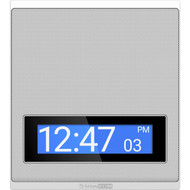


Image may not exactly match the product.
Image may not exactly match the product.
Done shopping? You can create a PDF of your cart for later or for your purchasing dept! Details at checkout.

Forget chasing down reps or emailing into the abyss. Get your own IT Concierge — a real human who stays with you from start to finish. One point of contact. Zero runaround.

Under the gun? We turn around Cisco & Meraki quotes in record time — even complex builds. No waiting days for basic pricing.

Need to validate your BoM or double-check your plan? Our Cisco-certified engineers review it with you, optimize where needed, and catch gotchas before they cost you…all free.

Pre-config, licensing help, and install guidance — we make sure what you buy solves your problem, the first time.

Turn your old gear into instant quote credits. We can coordinate the recycling or destruction in an environmentally friendly and safe manner. Enjoy a smoother path to your upgrade with built-in savings.

Get access to exclusive Cisco/Meraki incentives, special pricing tiers, and project-based discounts you won’t find anywhere else.
Want to skip the back and forth? Talk directly to a specialist and get expert guidance in under 30 minutes.