How to Replace Aging Firewalls Right

Table of Contents
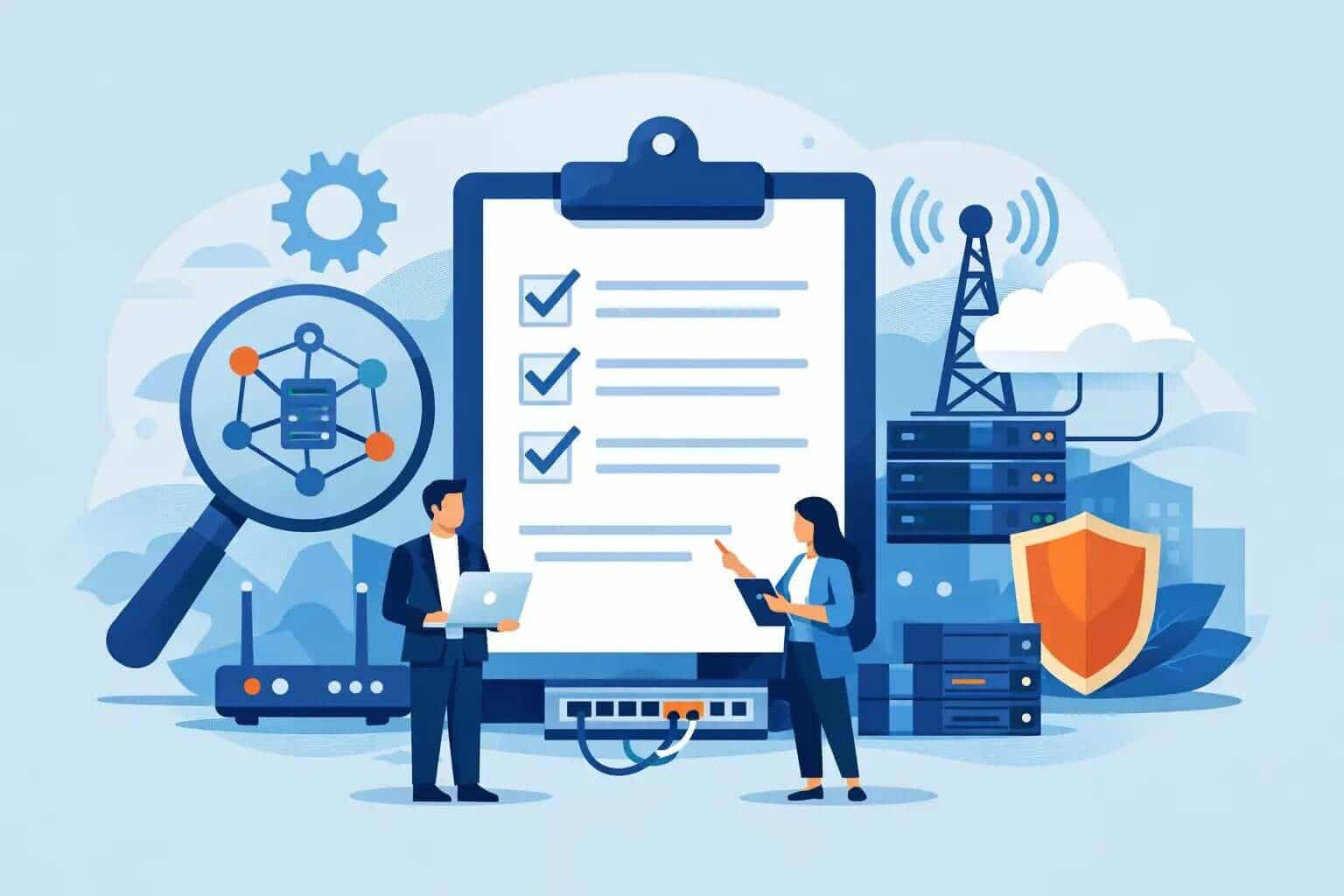
That firewall nobody wants to touch usually gets attention at the worst possible moment - expired support, random performance issues, a failed audit, or a VPN problem that suddenly becomes everyone’s problem. If you’re figuring out how to replace aging firewalls, the real challenge is not just picking a new box. It’s avoiding downtime, licensing mistakes, bad sizing, and a migration that drags on longer than it should.
For small IT teams, this kind of project has a long tail. You’re not just swapping hardware. You’re protecting internet access, remote users, site-to-site connectivity, application performance, and often your compliance posture. That is why a firewall refresh needs to be treated like an infrastructure change, not a quick purchase.
Why aging firewalls become a business risk
Old firewalls rarely fail in a clean, obvious way. More often, they become expensive to keep around and risky to depend on. Throughput no longer matches real traffic patterns. Security subscriptions age out. Firmware support becomes limited or ends altogether. Then the environment changes around the device - more SaaS traffic, more remote access, more branch connectivity, more inspection - and the old platform starts falling behind.
The problem is not always raw age. Sometimes the firewall was undersized from the beginning. Sometimes it was sized before encrypted traffic and cloud applications became the norm. Sometimes the issue is operational. If the current platform takes too long to manage, lacks visibility, or forces workarounds, your team is paying for that every week in lost time and elevated risk.
A replacement project usually starts when one of three things happens: support is ending, performance is becoming noticeable to users, or leadership wants to reduce exposure before the next incident does it for them.
How to replace aging firewalls without creating new problems
The smartest replacement projects start with traffic and policy reality, not product marketing. Before comparing models, get clear on what the firewall is actually doing today and what it needs to do over the next three to five years.
That means looking at your internet circuits, peak throughput, VPN usage, remote access needs, VLAN segmentation, high availability requirements, and any security services you expect to run. Threat inspection, intrusion prevention, content filtering, and encrypted traffic inspection all affect performance. A firewall that looks right on paper can become the wrong fit once those services are enabled.
This is where many teams get burned. They replace a firewall based on port count and base throughput, then realize the licensed feature set or inspected throughput tells a very different story. If your current unit is already straining, a like-for-like replacement may simply preserve the same problem in a newer chassis.
Start with an honest inventory
Document the current environment before you ask anyone for pricing. Capture WAN handoffs, LAN interfaces, VLANs, public IP details, VPN peers, static routes, DHCP relay settings, NAT rules, inbound access rules, and any dependencies on outside services. If you have remote sites, note whether they need full mesh VPN, hub-and-spoke, or separate policy treatment.
Also identify what can be retired. Firewall rule sets tend to grow for years without cleanup. Old vendor access rules, temporary NAT entries, and stale site-to-site tunnels create clutter that makes migration harder and troubleshooting slower. A replacement is the right time to remove what the business no longer needs.
Size for inspected traffic, not brochure speed
If there is one rule that matters most, it is this: size for the services you will actually run. Security features consume resources. SSL inspection, threat filtering, advanced malware protection, and remote access all affect performance in ways a simple internet speed test will not show.
If your business has 1 Gbps internet today but plans to increase bandwidth, add more cloud traffic, or expand remote access, build that into the decision. Manufacturing, retail, and professional services environments often have seasonal or event-driven spikes. A firewall that handles average demand may still create a bottleneck during the periods that matter most.
Decide what must stay the same and what should improve
Some teams want a low-risk transition that keeps policies nearly identical. Others use the refresh to improve segmentation, simplify branch connectivity, or standardize on a management approach across locations. Both are valid, but they lead to different project plans.
If the business can’t tolerate much change, prioritize compatibility, migration support, and a staged cutover. If the environment needs cleanup, plan extra time for policy rationalization and testing. The trade-off is straightforward: less change usually means faster deployment, while more improvement can deliver better long-term operations but requires more planning up front.
Picking the right replacement strategy
There is no single answer for every environment. A single-site office with basic internet breakout and a few VPN tunnels has different needs than a multi-site manufacturer with segmented networks and uptime requirements.
For some organizations, the right path is replacing the firewall with the current vendor’s modern platform to reduce retraining and migration risk. For others, this is the moment to standardize across sites or move to a platform that is easier for a lean team to manage. The key is to weigh operational fit as heavily as hardware specs.
Ask practical questions. Who will manage this day to day? How quickly can someone validate a configuration before you order? How easy is it to add licenses, support, and matching accessories without creating procurement delays? If your last reseller sold you a part number but did not help validate the design, that experience should shape what you expect this time.
Planning the cutover
The best firewall migrations feel boring on cutover day. That only happens when the work is done beforehand.
Build the new firewall configuration in advance, then validate it against the current rule base and network topology. Confirm interface mapping, NAT behavior, VPN settings, DNS dependencies, and any application-specific requirements. If you use failover pairs, test high availability before the production move, not after.
You should also define the rollback plan before scheduling downtime. If the migration fails halfway through, everyone will want to know how quickly internet access, VPNs, and critical applications can be restored. A rollback plan is not pessimism. It is good change control.
Test the parts that usually break
Most failed migrations do not fail everywhere at once. They fail in the edge cases: a vendor VPN that uses unusual phase settings, a VoIP service with strict NAT expectations, a payment workflow that depends on specific outbound paths, or a remote user group that was configured years ago and forgotten.
Target those edge cases during pre-cutover testing. Verify remote access, site-to-site tunnels, inbound services, cloud app reachability, logging, and alerting. If compliance matters, confirm the new platform preserves the visibility and reporting your auditors expect.
Do not separate hardware from licensing and support decisions
Firewall replacements often stall because the hardware quote looked fine, but support terms, subscriptions, or management licensing were not fully scoped. That creates last-minute budget issues or, worse, a deployment where needed security services are not activated.
A complete replacement plan should account for hardware, licenses, support coverage, optics or accessories if needed, rack and power considerations, and any migration services. This is where expert-backed quoting matters. It saves time, but more importantly, it reduces the chance that your team owns a preventable ordering mistake.
Common mistakes when replacing aging firewalls
The first mistake is treating the refresh like a commodity purchase. Firewalls are too central to your environment for that. Price matters, but bad sizing, missing licenses, or incompatible accessories cost more once the project is underway.
The second is assuming your current policy set should move over exactly as-is. Some rules should. Some should not. Carrying forward years of exceptions can preserve risk and complexity.
The third is waiting too long. Once support has lapsed or performance issues are visible to users, your timeline becomes reactive. You lose room to test carefully, compare options, and schedule the cutover on your terms.
| Firewall Replacement Step | Why It Matters |
|---|---|
| Assess Current Environment | Understand traffic, VPNs, policies, and network requirements |
| Review Existing Rules | Remove outdated firewall rules before migration |
| Size the New Firewall | Account for security inspection, VPNs, and future growth |
| Validate Licensing | Ensure all required subscriptions and support are included |
| Prepare the Configuration | Build and verify the new firewall before deployment |
| Test Critical Services | Confirm VPNs, internet access, VoIP, and business applications work correctly |
| Create a Rollback Plan | Minimize downtime if issues occur during cutover |
| Validate Before Ordering | Confirm hardware, licensing, and accessories match your environment |
What good looks like
A good firewall replacement is not flashy. Users keep working. Remote access stays up. Branches stay connected. Your team gets clearer visibility, current support, and enough headroom to avoid revisiting the same problem next year.
For most IT managers and network admins, success also means the procurement side did not create extra work. The right quote arrives quickly, the configuration is validated before ordering, and there is someone accountable for getting the details right. That matters just as much as the hardware itself.
If you are planning how to replace aging firewalls, take the time to scope the environment honestly, size for real-world traffic, and pressure-test the cutover plan before spending money. A careful refresh is one of the few infrastructure projects where the best outcome is that almost nobody notices it happened.
Get a Quote or Validate My Configuration if you want a second set of eyes before the order goes in. A little precision up front saves a lot of cleanup later.
FAQs
When should I replace an aging firewall?
Replace your firewall when it reaches end-of-support, can no longer handle current traffic or security requirements, or begins affecting network performance and reliability.
What should I review before replacing a firewall?
Review your current traffic, VPNs, security policies, licensing, network topology, and future growth to ensure the new firewall is properly sized and configured.
How can I avoid downtime during a firewall replacement?
Plan the migration in advance, validate the configuration, test VPNs and critical applications, and prepare a rollback plan before the cutover.