
Network Security
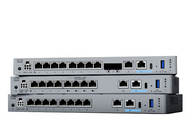
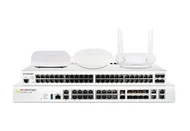

Protect users, devices, applications, data, and network infrastructure with business and enterprise network security solutions from Hummingbird Networks. Explore firewalls, security appliances, secure access technologies, and cybersecurity solutions designed for small business, branch, campus, enterprise, and distributed environments.
Modern network security extends beyond simply protecting an internet connection. Organizations must secure users working from different locations, cloud and on-premises applications, wired and wireless networks, remote access, endpoints, IoT devices, servers, and other critical systems.
Whether you are replacing an aging firewall, securing a new office, strengthening remote access, segmenting your network, or planning a broader cybersecurity refresh, Hummingbird Networks can help you identify security solutions that fit your infrastructure and business requirements.
Shop Business & Enterprise Network Security Solutions
Network security combines technologies, policies, and controls designed to protect network infrastructure and the users, devices, applications, and data that depend on it.
A security architecture may include firewalls, intrusion prevention, VPN connectivity, secure remote access, network segmentation, identity and access controls, endpoint protection, web and application security, threat detection, and centralized security management.
The appropriate combination depends on the size of the organization, network architecture, applications, users, locations, compliance requirements, threat exposure, available IT resources, and existing infrastructure.
Firewalls & Network Security Appliances
Firewalls are a fundamental component of many business network security architectures. They inspect and control traffic moving between networks according to defined security policies.
Depending on the platform, modern firewall and network security appliances can provide capabilities beyond traditional traffic filtering, including intrusion prevention, application visibility, VPN services, malware protection, web filtering, threat intelligence, traffic inspection, and centralized security management.
Business Firewalls
Business firewalls help protect small and midsize organizations by controlling network traffic between internal systems, the internet, remote users, branch locations, and other networks.
When selecting a firewall, businesses should consider internet bandwidth, number of users and devices, security services, VPN requirements, expected growth, licensing, management, and the performance impact of enabling advanced security features.
Enterprise Firewalls
Enterprise firewalls are designed for environments with greater performance, scalability, segmentation, visibility, redundancy, and security requirements.
Depending on the platform, enterprise firewalls may support high-speed interfaces, substantial inspection throughput, large numbers of users and VPN connections, high availability, advanced threat prevention, centralized policy management, and integration with broader security architectures.
Next-Generation Firewalls
A next-generation firewall, commonly called an NGFW, extends traditional firewall functionality with additional application awareness and threat prevention capabilities.
Features vary by manufacturer and product family but can include intrusion prevention, application control, web filtering, malware protection, encrypted traffic inspection, identity integration, VPN services, and centralized management.
How to Choose a Network Security Appliance
Choosing a security appliance based only on port count or advertised firewall throughput can result in a system that does not meet real-world requirements. Security inspection, VPN encryption, application control, threat prevention, and other enabled services can affect performance.
Consider the following factors when evaluating network security equipment.
Internet & WAN Bandwidth
The security platform should be capable of supporting current internet and WAN connections while providing enough capacity for expected growth.
Organizations planning faster circuits should consider whether the firewall will still provide appropriate performance after the upgrade rather than sizing equipment solely around today's bandwidth.
Security Inspection Performance
Different security functions consume different system resources. Firewall throughput, threat protection throughput, intrusion prevention performance, VPN throughput, and encrypted traffic inspection performance may differ significantly on the same appliance.
Evaluate performance using the security services you actually intend to enable rather than relying on a single headline throughput specification.
Users & Connected Devices
Consider both the number of users and the total number of devices the security platform will support. Modern environments can include computers, phones, tablets, servers, access points, cameras, printers, IoT devices, building systems, and other network-connected equipment.
Device counts can substantially exceed employee counts, particularly in wireless, industrial, healthcare, education, retail, and IoT-heavy environments.
VPN Requirements
Virtual private networks can provide encrypted connectivity for remote users, branch offices, data centers, cloud environments, and other networks.
When VPN is required, evaluate supported VPN technologies, encrypted throughput, concurrent connections, authentication options, licensing, management, and the number of remote users or sites that need connectivity.
High Availability
Organizations that depend on continuous network connectivity may require redundant security appliances or high-availability configurations.
High availability can help reduce the impact of hardware failure or maintenance, but requirements vary by platform and may involve additional appliances, licenses, interfaces, power, and network design considerations.
Licensing & Security Subscriptions
Security appliances frequently combine hardware with software licenses, subscriptions, support, or security services. The hardware alone may not provide every capability an organization intends to use.
Before purchasing, verify which licenses and subscriptions are required for threat prevention, filtering, management, VPN, support, updates, or other desired features.
Management
Security management can range from local device administration to centralized and cloud-based platforms capable of managing policies across multiple locations.
Organizations with distributed networks should consider how efficiently IT teams can configure policies, monitor events, investigate issues, deploy updates, and maintain consistent security across sites.
Network Segmentation & Access Control
Network security is not limited to protecting the perimeter. Segmentation can help limit communication between different groups of users, devices, applications, and systems.
Organizations may create separate network segments for:
- Employees
- Servers and critical applications
- Guest networks
- Voice systems
- Security cameras
- IoT devices
- Operational technology
- Management infrastructure
- Different departments or business functions
Security policies can then control which resources each segment is permitted to access.
Segmentation can reduce unnecessary communication between systems and help limit how far a security incident can spread if a device or account becomes compromised.
Intrusion Prevention & Threat Protection
Intrusion prevention systems, commonly called IPS, inspect network traffic for activity associated with known attacks, vulnerabilities, and other potentially malicious behavior.
Depending on the security platform, threat protection capabilities can also include malware detection, application control, web filtering, reputation services, DNS security, sandboxing, threat intelligence, and other technologies designed to identify or block suspicious activity.
These capabilities should be evaluated as part of a layered security strategy rather than treated as substitutes for patching, identity security, endpoint protection, backups, and appropriate network design.
VPN & Secure Remote Access
Remote and hybrid work have expanded the number of locations from which users need secure access to business applications and resources.
VPN and secure remote access technologies can provide protected connections for employees, administrators, vendors, branch offices, and other authorized users.
Remote Access VPN
Remote access VPNs provide encrypted connectivity for individual users accessing business resources from outside the organization's physical network.
Organizations should consider authentication, multi-factor authentication, user permissions, endpoint security, VPN capacity, and the resources remote users actually need to access.
Site-to-Site VPN
Site-to-site VPNs create encrypted connections between networks, such as a branch office and headquarters or an organization and a cloud environment.
When planning site-to-site VPNs, consider available WAN bandwidth, encrypted throughput, redundancy, routing, number of locations, and interoperability requirements.
Identity, Authentication & Zero Trust
Modern security architectures increasingly consider identity when determining whether users and devices should receive access to applications and network resources.
Passwords alone may not provide sufficient protection for sensitive systems. Multi-factor authentication can add an additional verification requirement for remote access, cloud applications, administrative systems, and other important resources.
Zero Trust security models are based on verifying access rather than assuming that a user or device should automatically be trusted simply because it is connected to an internal network.
Implementation varies by organization, but identity, device posture, least-privilege access, segmentation, authentication, visibility, and continuous policy enforcement can all play a role.
Endpoint Security & Network Security
Network security and endpoint security address different parts of the cybersecurity environment and can complement one another.
Network security technologies monitor and control communications moving through network infrastructure. Endpoint security focuses more directly on devices such as computers, servers, and other supported systems.
A layered approach can provide greater visibility and protection than relying exclusively on either the network or endpoints.
Some security ecosystems can share information between endpoint and network security technologies, allowing policies or responses to be coordinated when suspicious activity is identified.
Protecting Wired & Wireless Networks
Cybersecurity should extend across both wired and wireless infrastructure.
Business wireless networks may support employees, guests, mobile devices, IoT equipment, scanners, cameras, and other systems. Separating different types of wireless traffic and applying appropriate access policies can help prevent guest or untrusted devices from reaching sensitive resources.
Wired infrastructure also requires appropriate controls. Unused switch ports, unauthorized devices, overly broad VLAN access, weak administrative credentials, and exposed management interfaces can create unnecessary risk.
Security planning should therefore consider the complete network rather than focusing only on the internet-facing firewall.
Network Security for Branch & Multi-Site Organizations
Distributed organizations face the challenge of maintaining consistent security across multiple locations while users increasingly access cloud and internet-based applications directly.
Branch security requirements can include:
- Firewall protection
- Secure internet access
- Site-to-site VPN connectivity
- Remote administration
- Network segmentation
- Wireless security
- Centralized policy management
- Threat monitoring
- WAN redundancy
Centralized management can help organizations maintain more consistent configurations and visibility across distributed environments.
SASE & Secure Access
As applications and users have moved beyond traditional office networks, organizations may need security architectures capable of protecting access across branches, remote users, cloud services, SaaS applications, and other distributed resources.
Secure Access Service Edge, commonly called SASE, combines networking and security concepts to provide policy-based access to distributed users and applications.
Specific capabilities vary by platform, but SASE architectures can incorporate technologies related to secure web access, Zero Trust access, cloud-delivered security, SD-WAN, and centralized policy enforcement.
Organizations considering SASE should evaluate their network architecture, applications, user locations, security requirements, identity systems, WAN strategy, and existing security investments.
Network Security for Different Business Environments
Small Business Network Security
Small and midsize businesses face many of the same security threats as larger organizations but may have fewer IT and cybersecurity resources available to manage them.
A practical security foundation can include an appropriately sized firewall, network segmentation, multi-factor authentication, secure remote access, endpoint protection, current software and firmware, reliable backups, and consistent monitoring.
Enterprise Network Security
Enterprise environments may require advanced threat prevention, high availability, substantial inspection capacity, large VPN deployments, centralized policy management, segmentation, identity integration, automation, and visibility across many locations and systems.
Retail Network Security
Retail networks may need to protect point-of-sale systems, employee devices, guest WiFi, cameras, digital signage, cloud applications, and connectivity across multiple stores.
Segmentation and centralized security management can be particularly important when many locations share a common network architecture.
Healthcare Network Security
Healthcare networks can include clinical systems, administrative applications, wireless devices, communications, medical technology, guest access, and other connected systems.
Security, segmentation, availability, access control, and visibility can all be important considerations when protecting these environments.
Education Network Security
Education environments can support large populations of students, faculty, staff, guests, institutional devices, personal devices, servers, and cloud applications.
Security architectures may need to balance broad connectivity requirements with segmentation, identity, acceptable-use policies, threat prevention, and protection of administrative systems.
Industrial & Manufacturing Security
Manufacturing and industrial networks can include business IT systems alongside operational technology, IoT equipment, production systems, cameras, and specialized devices.
Segmentation can be particularly important where systems with different security, operational, and availability requirements share network infrastructure.
Network Security Brands
Hummingbird Networks offers security solutions from leading technology manufacturers including Fortinet, Sophos, Cisco, Meraki, and other networking and cybersecurity brands.
Fortinet Network Security
Fortinet offers a broad portfolio of cybersecurity and networking technologies, including FortiGate next-generation firewalls and related security solutions for small business, branch, enterprise, data center, and distributed environments.
Fortinet can be particularly relevant for organizations seeking closer integration between firewall security, networking, wireless infrastructure, switching, and centralized management.
Sophos Network Security
Sophos provides firewalls, endpoint security, threat protection, and centrally managed cybersecurity technologies for business environments.
Organizations using multiple Sophos security technologies may benefit from the ability of compatible components to operate within a broader security ecosystem.
Cisco Security
Cisco offers network security technologies for enterprise, branch, data center, cloud, and remote-access environments. Its security portfolio includes firewall, secure access, identity, threat protection, and other technologies designed to integrate security with broader network infrastructure.
Meraki Security
Cisco Meraki provides cloud-managed security and networking solutions designed around centralized visibility and administration.
Meraki can be particularly useful for distributed organizations that want to manage security appliances, networking, and other compatible infrastructure across multiple locations through a centralized cloud platform.
Explore our technology brands to learn more about the manufacturers available from Hummingbird Networks.
Network Security Hardware, Software & Licensing
A complete network security purchase can include more than a physical appliance. Depending on the manufacturer and solution, organizations may also require software licenses, security subscriptions, support coverage, management services, accessories, transceivers, power supplies, or other components.
Licensing is particularly important because security functionality, updates, threat intelligence, management, support, and subscription terms can vary significantly between manufacturers and product families.
Before purchasing, verify that the complete configuration includes the hardware, software, subscriptions, and support required for the intended deployment.
Build a Complete Secure Network Infrastructure
Effective cybersecurity depends on the network infrastructure surrounding the security platform. Firewalls, switches, routers, wireless access points, servers, cabling, and power infrastructure all contribute to the reliability and security of the environment.
A complete deployment may also require:
- Network switches for wired connectivity and network segmentation
- Routers and gateways for WAN and internet connectivity
- Wireless access points for secure business WiFi
- Transceiver modules and cabling for physical connectivity
- UPS systems for power protection
- Racks and infrastructure for secure equipment installation
Planning security alongside the broader network can help organizations identify compatibility, bandwidth, redundancy, licensing, and management requirements before equipment is deployed.
Why Buy Network Security Solutions from Hummingbird Networks?
Selecting network security equipment involves more than choosing a firewall model. Throughput, security inspection, VPN capacity, interfaces, high availability, licensing, subscriptions, management, compatibility, and expected growth can all affect the right purchasing decision.
Hummingbird Networks helps businesses and organizations source network security products and supporting infrastructure from leading technology manufacturers.
Customers can turn to our team for:
- Business and enterprise network security solutions
- Firewall and security appliance options
- Products from leading cybersecurity manufacturers
- Help identifying appropriate security hardware
- Product and compatibility guidance
- Assistance with licensing and configuration requirements
- Solutions for security upgrades and infrastructure refreshes
- Business and enterprise technology purchasing support
Whether you are replacing a single firewall, securing a new branch, improving remote access, or planning a broader cybersecurity refresh, our team can help you evaluate products based on your technical and business requirements.
Frequently Asked Questions About Network Security
What is network security?
Network security refers to technologies, policies, and practices used to protect network infrastructure, users, devices, applications, and data from unauthorized access, attacks, misuse, and other security threats.
What does a network firewall do?
A firewall monitors and controls traffic moving between networks according to defined security policies. Modern firewalls may also provide intrusion prevention, application control, VPN services, web filtering, malware protection, threat intelligence, and other security capabilities.
What is a next-generation firewall?
A next-generation firewall combines traditional firewall functionality with additional security capabilities such as application awareness, intrusion prevention, threat protection, identity integration, and advanced traffic inspection. Exact features vary by manufacturer and platform.
What is the difference between a firewall and a router?
A router primarily directs traffic between different networks, while a firewall primarily inspects and controls traffic according to security policies. Some products combine routing and firewall functionality, while other environments use separate devices for each role.
How do I choose the right firewall size?
Consider internet and WAN bandwidth, number of users and devices, security services being enabled, VPN traffic, encrypted traffic inspection, interface requirements, redundancy, and expected growth. Security inspection performance is often more important than the appliance's maximum basic firewall throughput.
What is intrusion prevention?
An intrusion prevention system analyzes network traffic for patterns associated with known attacks, vulnerabilities, and other malicious activity and can take action based on configured security policies.
What is network segmentation?
Network segmentation separates users, devices, or systems into different network areas and applies policies controlling communication between them. Segmentation can help protect sensitive resources and limit how far an incident can spread through the network.
What is Zero Trust security?
Zero Trust is a security approach based on verifying access rather than automatically trusting a user or device because of its location on the network. Identity, device status, least-privilege access, segmentation, authentication, and ongoing verification can all contribute to a Zero Trust architecture.
What is SASE?
SASE stands for Secure Access Service Edge. It is an architectural approach that combines networking and security capabilities to help protect access for distributed users, branches, cloud applications, and other resources.
What is the difference between network security and endpoint security?
Network security focuses primarily on protecting network communications and infrastructure. Endpoint security focuses on individual devices such as computers and servers. Organizations commonly use both as parts of a layered cybersecurity strategy.
Do businesses need VPN security?
Organizations that provide remote access or connect networks across untrusted infrastructure may use VPN technologies to create encrypted connections. The appropriate VPN design depends on users, locations, applications, authentication, bandwidth, and security requirements.
Does a firewall require a subscription?
It depends on the manufacturer and product. Some firewall capabilities may operate without an ongoing security subscription, while advanced threat protection, filtering, updates, support, centralized management, or other services may require licenses or subscriptions.
What happens when a firewall security subscription expires?
The effect depends on the manufacturer, platform, and subscription. Certain security services, updates, support, management features, or threat intelligence may become unavailable or limited. Organizations should understand renewal requirements before deploying a security platform.
Should a business use high-availability firewalls?
High availability may be appropriate when firewall downtime would significantly disrupt business operations. The decision should consider the cost of downtime, internet redundancy, application requirements, network architecture, and the high-availability capabilities of the selected platform.
Which network security brand is best?
There is no single security manufacturer that is best for every organization. Fortinet, Sophos, Cisco, Meraki, and other manufacturers offer different approaches to firewall security, threat protection, management, networking integration, licensing, and scalability.
Can Hummingbird Networks help me choose network security equipment?
Yes. Hummingbird Networks can help businesses and organizations evaluate security equipment based on bandwidth, users, devices, security services, VPN requirements, interfaces, licensing, high availability, management, compatibility, and future growth.
Shop Network Security Solutions for Your Business
Protect your network with business and enterprise security solutions designed for small offices, branch locations, distributed organizations, campuses, data centers, and enterprise environments.
Whether you are replacing an aging firewall, strengthening network segmentation, securing remote access, adding new locations, or planning a larger security infrastructure refresh, Hummingbird Networks can help you identify solutions that fit your environment and requirements.