3 Reasons To Buy Cisco Compatible GLC-LH-SM
Table of Contents
- Finding the Right Cisco Compatible GLC-LH-SM Units Doesn’t Have to Be Impossible
- Why Choose a Cisco Compatible GLC-LH-SM
- GLC-LH-SM Part Info
- Considerations When Choosing Compatible Modules
- Why This Is Smart for Growing Networks
- Making the Decision: Branded vs. Compatible
- Next Steps for Your Network Strategy
- Final Thoughts
- FAQs
Finding the Right Cisco Compatible GLC-LH-SM Units Doesn’t Have to Be Impossible
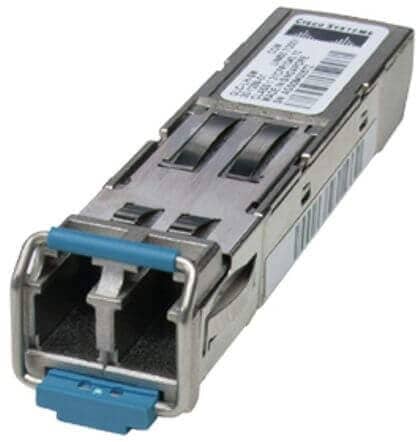
When you’re managing a growing network and need to source hardware, the task of finding the “right” compatible parts can feel overwhelming. But it doesn’t have to be. Even if you’re looking at Cisco compatible GLC-LH-SM transceiver module, you can confidently select high-quality options without breaking budget or sacrificing reliability.
Why Choose a Cisco Compatible GLC-LH-SM
You don’t need to pour thousands into full Cisco hardware stacks when budgeting constraints demand smarter choices. Instead, consider these three strong reasons to evaluate Cisco-compatible SFP transceivers today.
1. Industry-Standard Compatibility
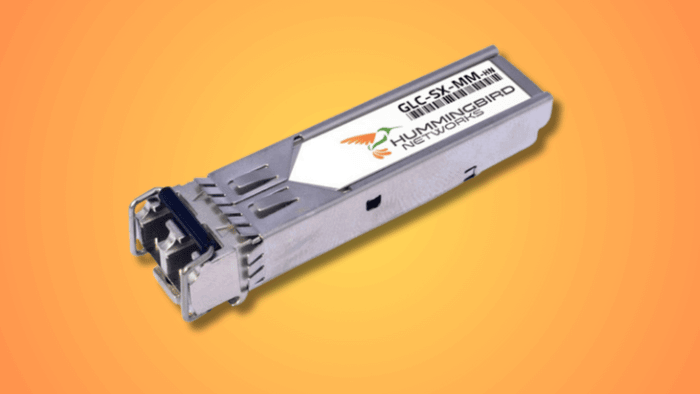
Interchangeable parts have become the norm. The idea that every module must be proprietary and locked to one vendor is fading. Transceivers like the GLC-LH-SM, GLC-SX-MM, and similar modules support IEEE standards (like 1000BASE-LX/LH) that make them compatible across brands. Because of this, third-party suppliers now provide modules that plug directly into Cisco switches via industry-standard SFP ports — making upgrades smoother and more flexible.
2. Lower Total Cost
When you buy name-brand Cisco transceiver modules, you often pay a premium simply for the label, even though the underlying optical specs may be the same. If you’re a small or medium-sized business, minimizing hardware cost means more budget for other priorities. Opting for Cisco-compatible parts that match the same functional specs means you can keep performance high without overspending.
3. Full Feature Set
There’s a misconception that “compatible” modules are half-baked, missing key features. In reality, many third-party alternatives support the full spec of a Cisco part — same wavelength, same reach, same connector type — and maintain high reliability. For example, the GLC-LH-SM supports up to 10 km on single-mode fiber. So the choice between branded vs. compatible comes down less to “can it do the job?” and more to “what’s the smart financial decision for our network?”
GLC-LH-SM Part Info
Let’s drill into the details of the GLC-LH-SM so you can speak confidently with your IT team or vendor.
Model: GLC-LH-SM (1000BASE-LX/LH SFP)
Data rate: 1 Gbps (Gigabit Ethernet)
Wavelength: 1310 nm (typical)
Fiber type: supports standard single-mode fiber (SMF); also tolerates multimode fiber (MMF) up to ~550 m.
Reach: Up to 10 km over SMF.
Connectors: LC duplex.
Operating case temperature (standard): 0 °C to 70 °C.
Hot-swappable SFP form-factor – plug into any standard SFP slot and you’re live.
Standards compliance: IEEE 802.3z (1000BASE-LX) and SFP Multi-Source Agreement (MSA).
What this means for your network is clarity: You don’t have to replace all your switches or cabling to add fiber links or extend reach. If your switch has SFP ports, installing a GLC-LH-SM (or compatible variant) enables you to connect over single-mode fiber for up to 10 km, or use existing multimode fiber (up to ~550 m) if needed.
Considerations When Choosing Compatible Modules
When selecting compatible transceivers, keep in mind a few partner-level tips so you align performance, warranty, and support expectations.
Verify your switch supports the SFP type you’re plugging in. The Cisco SFP documentation lists supported platforms.
Check the cable plant: if you’re using legacy multimode fiber, the reach may be limited (~550 m) compared to SMF. The GLC-LH-SM spec notes this trade-off.
Ensure the connector type matches (duplex LC for this module).
Hot-swappability matters — downtime is expensive. SFP modules like this one reduce risk during upgrade.
Confirm warranty or support from the compatible module vendor if not using Cisco branded. Reliability is key for IT professionals.
Ensure your license/firmware doesn’t restrict use of “unbranded” optics — some vendors lock modules via vendor-ID checks (though many networks already circumvent this with compatibility solutions).
Why This Is Smart for Growing Networks
As your network grows — whether through larger premises, added remote offices, heavier WiFi, more cloud traffic — your infrastructure must scale. Standard copper links (100 Mb or basic fiber runs) become bottlenecks. Older transceivers or limited-reach optics may force you into costly upgrades.
By choosing modules like the GLC-LH-SM (and compatible versions), you future-proof your fiber links: you gain longer reach, better signal integrity, and invest in high-performance optics without overhauling everything else. For example, moving from 550 m limit on MMF to 10 km on SMF opens up campus, building-to-building, or remote-site connectivity without intermediate repeaters.
Also, when the module is hot-swappable, you can phase the upgrade: replace optics now, cable later; or swap ports without downtime — critical for remote/branch IT.
Making the Decision: Branded vs. Compatible
In your advisory role (as a partner guiding IT pros), you’ll weigh:
Total cost vs. performance
Risk tolerance (brand-name warranty vs. value brand reliability)
Long-term support and supply chain (will compatible modules be stocked/available)
Vendor lock-in vs. flexibility
For many clients, the answer is that they don’t need the premium price of purely Cisco-branded modules — the compatible versions deliver the same specs and practical performance, enabling budget-efficient deployments. And when the core infrastructure (switches, fiber runs) remains vendor-agnostic, you maintain flexibility to pivot hardware vendors if needed later.
Next Steps for Your Network Strategy
If this sounds like your scenario — expanding footprint, aging fiber or optics, need to extend reach or upgrade links — here’s a suggested roadmap:
Inventory your current SFP ports, fiber type (SMF vs. MMF), and link distances.
Define your growth: how far are you going to connect? Branches, buildings, campus? 550 m might suffice now; 10 km might be needed next year.
Choose the module spec accordingly: for long runs, aim for SMF-capable like GLC-LH-SM; for shorter internal links, MMF/short-reach may suffice.
Select compatible modules with confidence: ensure SFP form-factor, wavelength, power budget and connector types match.
Plan for phased deployment with minimal disruption: use hot-swappable modules, test links during low-traffic windows, and monitor performance.
Validate vendor support and stocking: even compatible parts need reliable supply and warranty support.
Partner with a strategist: a trusted advisor (like your role) can validate the solution, ensure integration, and optimize cost without compromising future-proofing.
Final Thoughts
Choosing the right transceiver module might feel like a small part of your network stack — but it’s often the linchpin enabling extended reach, improved performance, and smarter spending. With the GLC-LH-SM (or its compatible alternatives), you get proven specs (1 Gbps, up to 10 km, hot-swappable) in a field-tested form-factor.
As your network evolves, you’ll thank yourself for choosing optics wisely: cost-effective, compatible, scalable. And as the IT advisor guiding these decisions, your recommendation of “Cisco-compatible, spec-accurate, budget-smart” modules will strengthen your credibility and set your clients up for long-term success.
If you want help mapping your fiber/cabling plan, choosing the right SFP modules or running a phased upgrade assessment, we're ready to help you build a future-focused strategy.
FAQs
How far can the GLC-LH-SM transmit data?
It supports up to 10 km over single-mode fiber and about 550 m over multimode fiber.
Why choose fiber over copper cabling?
Fiber offers longer range, less interference, and higher reliability for expanding business networks.