Meraki Z Series Solutions For Cloud-Managed Business Networks

Table of Contents
- Why Meraki Z Series Is Purpose-Built For Cloud-First Networks
- A Quick Look At Meraki Z Series Models
- Choosing The Right Meraki Z Series For Your Setup
- Z4 And Z4C Wi-Fi 6 For Modern Remote Work
- Other Router Models For Specialized Deployments
- How To Control Every Part Of Your Network In One Place
- Deployment Scenarios For Different Business Types
- Troubleshooting Common Issues In Meraki Z Series
- Experience Seamless Connectivity With Hummingbird Networks
- FAQs
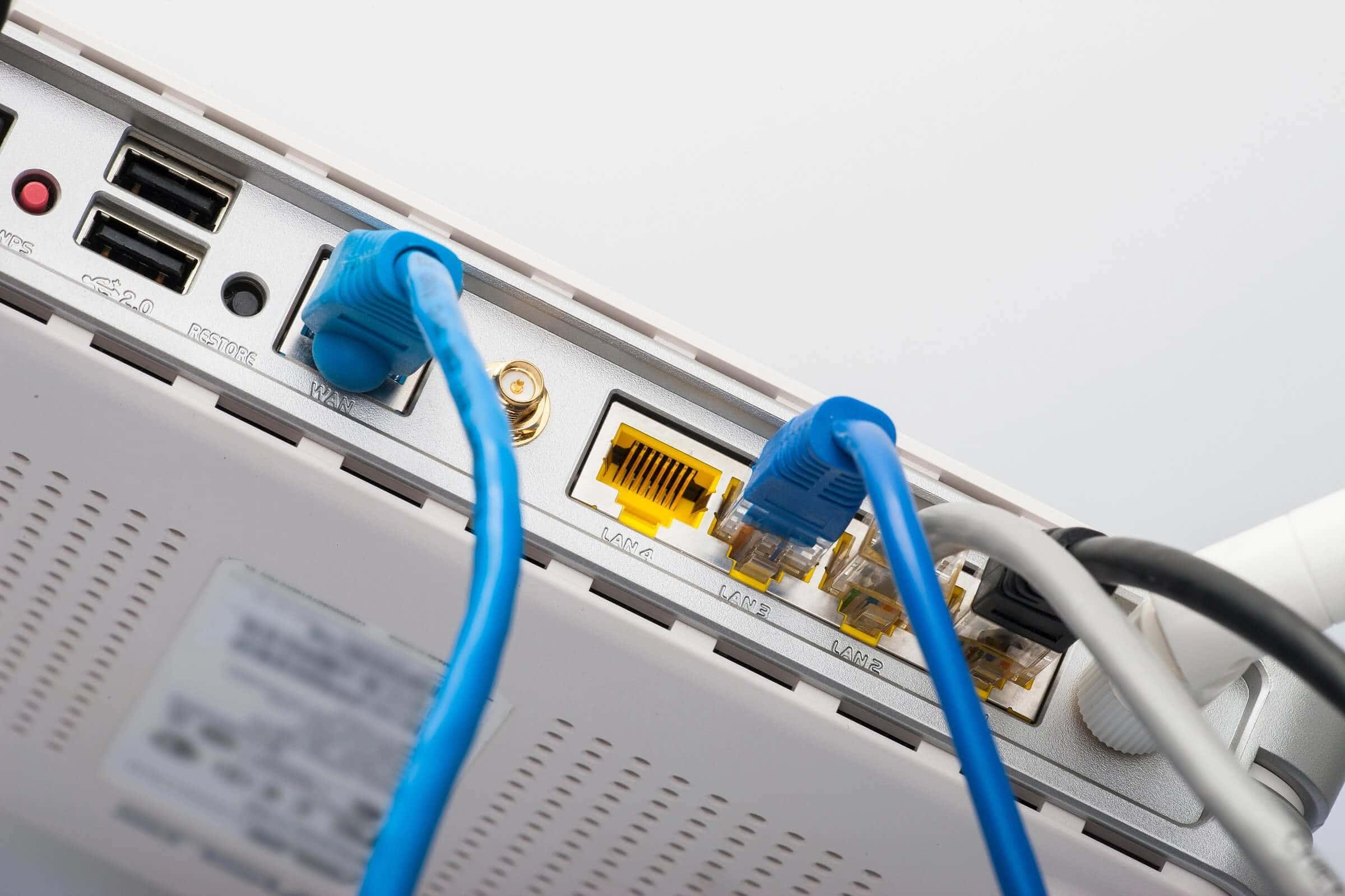
The Cisco Meraki Z Series was created for the hybrid era, delivering secure connectivity and easy cloud management in a compact teleworker gateway. Whether you’re equipping remote staff, small branch offices, or mobile teams, the Z Series and Meraki Dashboard combine to give IT complete visibility and control without needing to be on-site.
With integrated security, monitoring, and centralized configuration, the Z Series makes provisioning and management fast. Devices can be preconfigured, shipped, and activated by employees in minutes. This reduces IT overhead while ensuring consistent performance across the business.
Why Meraki Z Series Is Purpose-Built For Cloud-First Networks
Organizations that depend on cloud apps and distributed teams need hardware that doesn’t add complexity. The Meraki Z Series was designed for exactly that: secure, cloud-first connectivity that scales with the modern workplace. Firmware updates, security patches, and VPN setup can all be handled centrally through the dashboard.
The Z Series also ties into Cisco SD-WAN for optimized and secure traffic between home offices, branch sites, and data centers. This ensures employees have a consistent user experience, no matter where they connect from.
A few key advantages highlight why the Z Series fits today’s networks:
Cloud-managed from anywhere: Configure and manage remotely through the Meraki Dashboard.
Integrated firewall and VPN: Security baked in for safe connections across sites.
Hybrid-ready connectivity: Wi-Fi 5 or Wi-Fi 6, plus SD-WAN support.
Centralized troubleshooting: Resolve issues remotely without travel.
A Quick Look At Meraki Z Series Models
The Meraki Z Series includes compact gateways that are purpose-built for remote and small office deployments. Each device uses Meraki’s plug-and-play setup, automatically connecting to the cloud dashboard for quick provisioning and management.
Here’s a quick breakdown of the most-used Meraki Z Series models:
Model | WAN Ports | Wi-Fi | 5G Capable | Best For |
Z4 | 1 | Wi-Fi 6 | No | Remote workers who need more speed |
Z4C | 1 | Wi-Fi 6 | Yes | Mobile teams or cellular backup |
MG5x | Cellular | No | Yes | Primary or backup 5G WAN link |
Choosing The Right Meraki Z Series For Your Setup
Choosing a Z Series model depends on network demands and user requirements. A small office may only need the Z3 for secure remote access, while a larger remote workforce may benefit from the Z4’s faster Wi-Fi 6 speeds. Teams that can’t afford downtime should look at the Z4C, which provides LTE/5G backup.
Planning for growth is also important. Businesses shifting toward hybrid operations will benefit from models with higher throughput and modern wireless standards, ensuring the hardware won’t need replacing too soon.
Z4 And Z4C Wi-Fi 6 For Modern Remote Work
The Z4 is ideal for remote workers who need fast, reliable Wi-Fi 6 speeds. It handles multiple high-bandwidth activities like video calls, large file transfers, and cloud app usage without slowing down. This makes it well-suited for professionals who depend on constant, stable connectivity.
The Z4C builds on that with LTE/5G cellular failover, ensuring uninterrupted service if the primary wired connection fails. This is a valuable safeguard for employees in areas where outages are common or where avoiding downtime is critical.
Key capabilities of these models include:
Wi-Fi 6 performance: Supports faster speeds and more connected devices, and it handles more users with less interference, which is perfect for busy home offices.
Cellular failover on the Z4C: Provides uninterrupted connectivity by automatically switching to LTE/5G if the wired connection goes down.
Easy remote setup: Provision devices through the Meraki Dashboard without sending IT staff on-site.
Other Router Models For Specialized Deployments
While the Z Series is designed for remote and small office use, other Cisco Meraki models support specialized needs. The MX series provides high-capacity throughput and advanced security for enterprise sites, while the MG5x series offers dedicated 5G WAN connectivity where wired service is unavailable.
Notable options include:
MX series for enterprise-scale operations: Handles heavy traffic and advanced routing.
MG5x series for dedicated cellular WAN links: Reliable 5G where wired internet isn’t an option.
How To Control Every Part Of Your Network In One Place
Every Meraki Z Series device ties into the Meraki Dashboard, giving IT a single view of the entire network. From VPN settings to firewall rules, everything can be managed without logging into individual devices.
This centralized approach eliminates repetitive tasks, making it easy to keep policies consistent across all users and sites. Whether you’re deploying dozens of Z4Cs or managing a mix of hardware, the dashboard keeps it simple.
Log In And Navigate To The Dashboard
Access is straightforward via browser or mobile app. The dashboard provides a top-level view of all devices, with quick navigation into specific users, locations, or hardware.
Access And Organize Your Network Devices
Devices, including Z Series gateways, can be grouped by office, department, or function. This helps IT teams quickly find what they need and apply policies to multiple devices at once. Naming conventions, tagging, and configuration templates add consistency and speed to management.
Configure Security And Access Policies
The Z Series supports enterprise-grade security through the dashboard. VPNs, firewalls, and content filters can be applied globally or tailored per group. For example, remote workers may have different rules from guest Wi-Fi networks, but all are managed in one place.
Monitor Performance And Health Metrics
The dashboard shows live and historical usage data, helping IT identify bandwidth-heavy apps, overloaded links, or user bottlenecks. This insight makes it easier to fine-tune performance and plan capacity for the future.
Apply Updates And Firmware Changes
Firmware updates are delivered automatically, but IT chooses when to apply them. This minimizes downtime by allowing updates outside of business hours.
Set Up Alerts And Notifications For Proactive Maintenance
Proactive alerts notify IT when a Z Series device goes offline, bandwidth spikes, or configuration changes occur. These notifications arrive by email or SMS, enabling teams to act quickly before issues escalate.
Deployment Scenarios For Different Business Types
The Meraki Z Series can be rolled out quickly and works across industries. Preconfigured devices can be shipped directly to employees or branch sites, ready to plug in and connect within minutes.
Common deployment scenarios include:
Small office and remote worker use: Z3 and Z4 gateways for secure home or satellite offices.
Hybrid workforce deployments: Z4C for staff needing cellular backup.
Temporary and mobile sites: Z4C or MG41 for pop-ups, field teams, or construction sites.
Troubleshooting Common Issues In Meraki Z Series
The Z Series is highly reliable, but occasional issues may occur. The Meraki Dashboard provides the tools to diagnose and resolve most problems remotely.
A troubleshooting approach includes:
Checking device status in the dashboard.
Verifying WAN and internet connectivity.
Reviewing logs for error patterns.
Using built-in tools like ping and traceroute.
Restarting the device when needed.
Sharing logs with Meraki support for faster escalation.
Working with certified partners for complex cases.
Experience Seamless Connectivity With Hummingbird Networks
The Meraki Z Series offers secure, cloud-managed connectivity that keeps businesses moving. From Wi-Fi 6 performance to cellular failover, it’s designed to handle the demands of modern remote and hybrid workforces.
When you work with Hummingbird Networks, you get more than the hardware. Our experts guide you through model selection, configuration, and long-term optimization so you get the most from your Meraki Z Series investment.
Not sure which Meraki model is best for you? We’ll make sure your business gets the right gateway the first time.
FAQs
1. How do Z Series appliances handle Auto VPN when mixed with MX hubs?
Z gateways participate in Auto VPN the same way as MX appliances, but are optimized for spoke roles. They don’t scale as concentrators, so best practice is to terminate Z tunnels into MX hubs or vMX in the cloud. That keeps throughput consistent and prevents home-office appliances from becoming unintended aggregation points.
2. What are the throughput limitations of Z4 vs Z4C under heavy VPN load?
Cisco rates both at 450 Mbps max throughput, but real-world sustained VPN performance is closer to 200–250 Mbps once security services are active. IT should plan capacity around those numbers, especially when deploying to staff with gigabit fiber at home.
3. Can Z Series devices enforce granular SD-WAN policies based on app health?
Yes, but with constraints. Z appliances support dual uplink (wired + LTE/5G), and SD-WAN policies can be applied by app, latency, loss, or jitter thresholds. They don’t expose advanced BGP-based routing like higher-end MXs, so policy design should account for simpler failover behavior at the edge.
4. How should IT teams license Z Series hardware in a mixed Advanced Security + Enterprise environment?
Licensing must be consistent across the org. If MX appliances are running Advanced Security for IDS/IPS and content filtering, Z appliances need the same tier for policy enforcement to remain synchronized. Mixing license levels creates mismatched features, often breaking templated configs.
5. How does Z4C’s embedded modem impact SIM management at scale?
The Z4C supports multiple carrier SIMs but does not include eSIM yet. Carrier selection and SIM provisioning are manual processes today. For IT managing hundreds of devices, best practice is to pre-stage SIMs in partnership with a primary carrier to avoid one-off activation delays.
6. What telemetry is most actionable from Z appliances for capacity planning?
The dashboard exposes per-client and per-application usage, WAN uplink loss/jitter, and historical VPN tunnel health. For ops teams, the WAN health API is the key metric—it can be pulled into NOC dashboards to predict when home-office links are degrading before users escalate.
7. Where does Z Series fall short compared to MX for edge security?
Z appliances lack full advanced routing, WAN optimization, and higher VPN concurrency limits. They’re not a fit for high-density branch offices where hundreds of tunnels terminate. Their role is remote/home-office edge. Enterprises should reserve MX appliances for hub sites and critical branches while using Zs for distributed staff.