The Five Pillars Of SASE Webinar

Table of Contents
The Five Pillars Of SASE (Secure Access Service Edge) Webinar Recording
The Five Pillars of SASE: Building a Secure and Agile Network
As remote work and cloud-first strategies continue to reshape the modern business landscape, traditional network and security models are proving insufficient. The shift away from centralized data centers toward hybrid and distributed IT environments requires a smarter, more integrated approach. That’s where SASE comes in.
SASE—pronounced "sassy"—is a security architecture framework that converges networking and security functions into a single cloud-native service model. It brings together five critical technologies that allow businesses to provide secure, reliable access to applications, regardless of user location or device.
1. Software-Defined Wide Area Network (SD-WAN)
At the core is SD-WAN, which transforms wide area networking by using software to intelligently route traffic across multiple connections—MPLS, broadband, or LTE—based on real-time performance metrics. This optimizes application delivery, reduces latency, and lowers connectivity costs. For small and mid-sized businesses, SD-WAN offers centralized control and improved bandwidth utilization, reducing the need for expensive, rigid infrastructure.
2. Secure Web Gateway (SWG)
An SWG protects users from internet-borne threats like malware, phishing, and unsafe content. It filters and monitors web traffic, enforcing policy controls at the point of access. Rather than relying on physical appliances, cloud-based SWGs provide always-on security for users, regardless of whether they’re on or off the corporate network.
3. Cloud Access Security Broker (CASB)
As businesses adopt SaaS platforms like Microsoft 365 or Salesforce, the need to monitor and control data flow increases. A CASB acts as a gatekeeper between users and cloud applications, ensuring compliance and visibility. It detects risky behavior, enforces data loss prevention (DLP), and protects against shadow IT by identifying unsanctioned apps.
4. Firewall as a Service (FWaaS)
FWaaS delivers next-gen firewall capabilities—like deep packet inspection, intrusion prevention, and application control—as a scalable cloud service. By centralizing firewall functionality, organizations eliminate the complexity of managing multiple physical devices across locations. FWaaS also adapts quickly to new threats and scaling needs without new hardware investments.
5. Zero Trust Network Access (ZTNA)
ZTNA represents a fundamental shift from the traditional perimeter-based model. Based on the principle of “never trust, always verify,” ZTNA ensures that users gain access only after proving their identity, location, and device posture. This minimizes lateral movement across the network and reduces the attack surface—especially critical for remote workforces and BYOD policies.
Why SASE Matters
This provides a unified framework that not only strengthens security but also improves agility, scalability, and user experience. Rather than patching together disparate point solutions, IT teams can streamline operations under one cloud-based architecture.
By embracing the five pillars of SASE, organizations gain:
Consistent security policies across all users and locations
Improved application performance and availability
Reduced infrastructure and operational complexity
Better support for hybrid and remote workforces
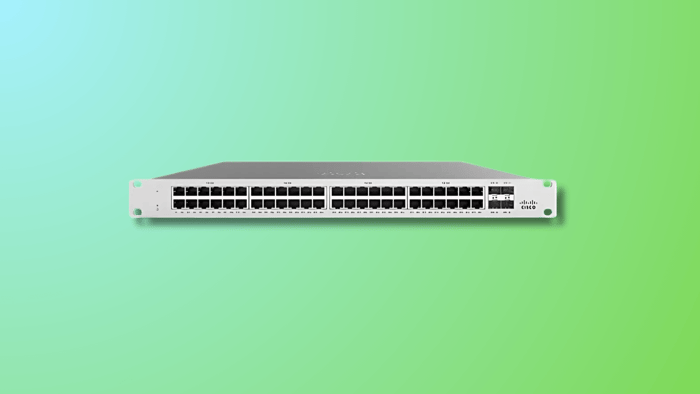
Need help building a network meeting the 5 pillars of SASE? Check out Cisco Meraki products or book a time with us to discuss your project - no obligation to buy anything...We just want to help!
FAQs
Why is SASE important for modern businesses?
With the rise of remote work and cloud-first strategies, traditional perimeter-based security no longer works. SASE provides a flexible, scalable, and secure way to protect users and applications across distributed environments, all while simplifying network management.
How does SASE support remote and hybrid work?
SASE ensures secure, reliable access for employees no matter where they are connecting from. With ZTNA and cloud-delivered policies, remote workers can safely access business applications without relying on slow VPN tunnels.